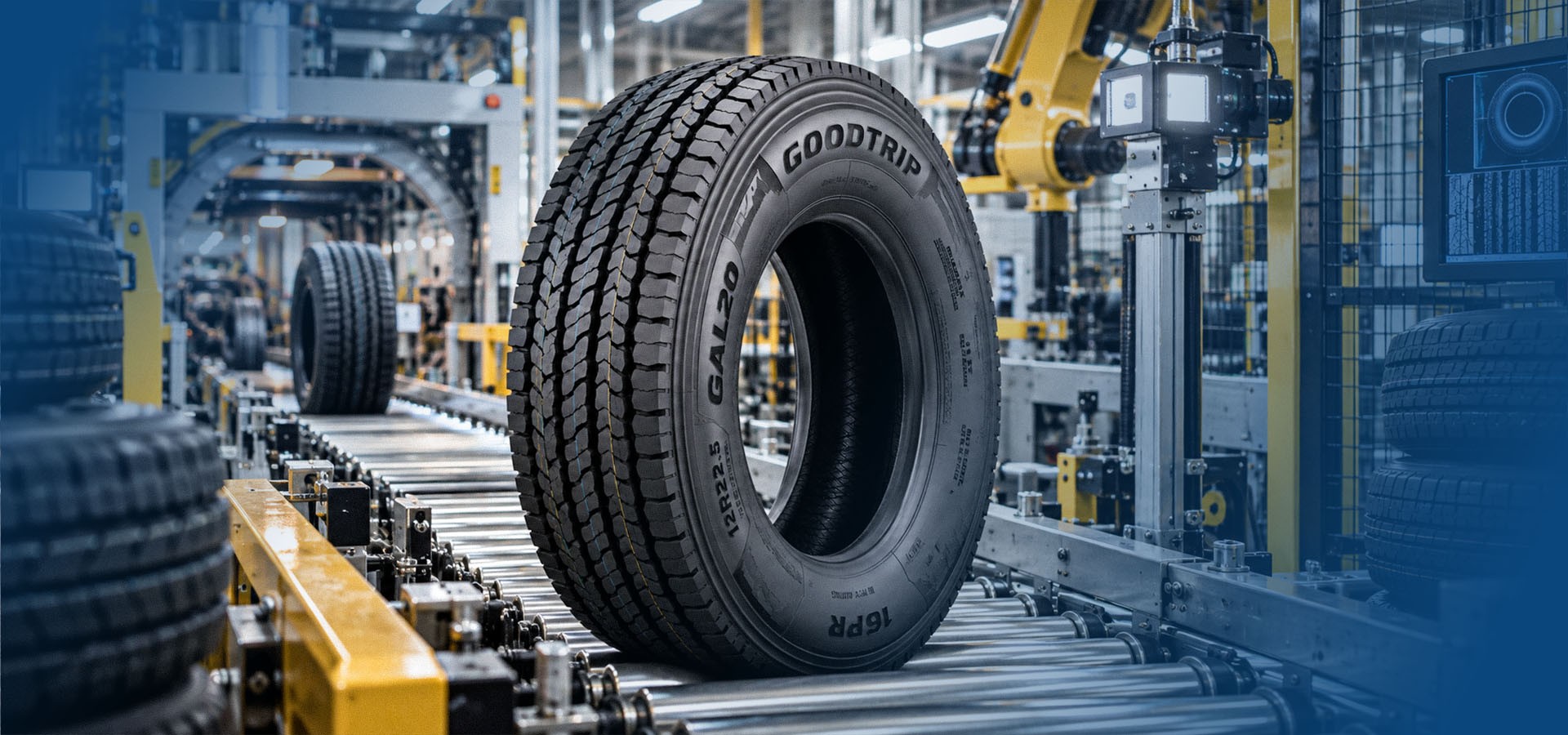
The quality of a car tire is shaped long before it reaches the road. Behind every finished tire is a carefully planned manufacturing process that brings together different materials, engineering components, and production techniques. Each stage contributes to the structure and characteristics of the final product.
Understanding how tires are made can help drivers make better-informed decisions when choosing their next set. With GOODTRIP tires, learning about tire construction and the role of manufacturing quality provides useful context when comparing sizes, specifications, and available models.
What Goes Into Making a Modern Tire?
A tire is made from a combination of materials selected for different purposes. Rubber compounds form important parts of the tire, while textile and steel reinforcements contribute to its internal structure.
The exact material composition depends on the tire's design and intended application. Manufacturers develop different compounds and component arrangements to achieve specific characteristics such as flexibility, durability, traction, and load support.
Rubber Compounds
Natural and synthetic rubber are used in different tire components. Other ingredients, such as carbon black, silica, and selected additives, may be included to influence the compound's properties.
Steel Reinforcement
Steel cords and reinforcing elements are incorporated into parts of the tire structure. They help support its shape and contribute to its structural strength.
Textile Materials
Textile cords can be used in the tire carcass and other structural layers. Their arrangement contributes to the tire's construction and load-bearing properties.
Specialized Additives
Different additives are used in rubber compounds to help achieve the characteristics required for particular tire components and applications.
The Main Stages of Tire Manufacturing
Although production methods can differ between manufacturers and tire categories, the manufacturing process generally follows several important stages.
1. Material Preparation and Mixing
The process starts with preparing the raw materials. Different rubber types and selected ingredients are measured and mixed to create compounds for specific parts of the tire.
Consistent mixing is important because each compound is developed to serve a particular function within the finished tire.
2. Preparing the Individual Components
After the compounds are prepared, they are processed into the components required for tire construction. These may include tread strips, sidewall sections, inner liners, reinforcing belts, and other structural elements.
3. Tire Building and Assembly
The prepared components are brought together and assembled into an uncured tire, commonly known as a green tire. Their positioning and alignment are important parts of building the tire structure.
4. Vulcanization and Final Shaping
The assembled tire is placed inside a specialized mold and processed under controlled heat and pressure. This stage, known as vulcanization, helps the rubber develop its final elastic properties and bonds the tire components together.
The mold also forms the tread pattern and the markings on the tire sidewall.
Why Quality Inspection Matters in Tire Production
Manufacturing quality is not limited to the final appearance of a tire. Inspection and testing are important for evaluating whether the finished product meets the technical requirements established for it.
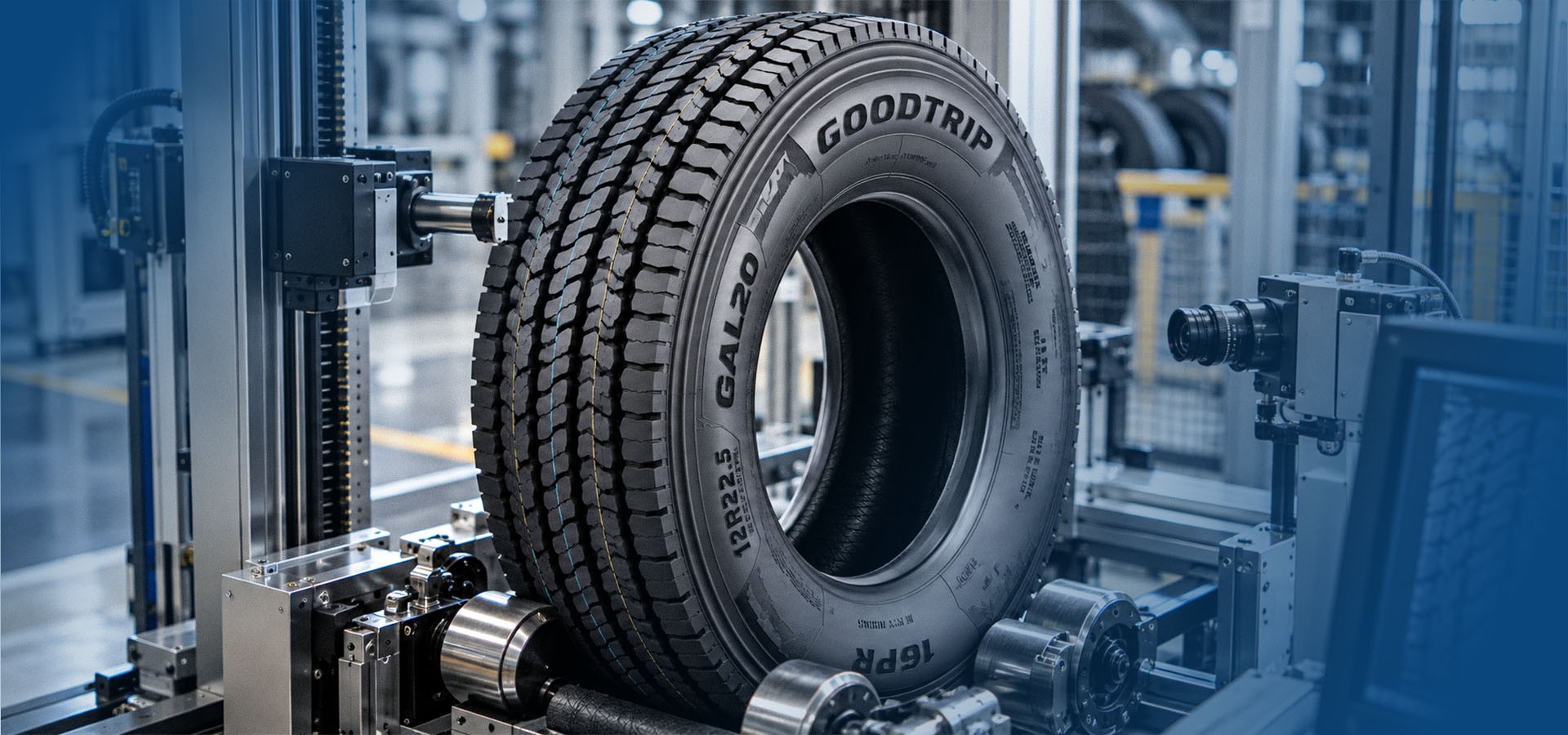
Depending on the manufacturer's procedures and the applicable standards, inspection activities may include:
- Visual checks: Examining the tire surface and visible components for irregularities.
- Dimensional checks: Reviewing the tire's measurements against its specified dimensions.
- Uniformity and balance checks: Assessing characteristics related to the tire's consistency and rotation.
- Additional technical tests: Applying relevant testing methods according to the tire category and required specifications.
Reviewing materials, components, assembly, and the finished tire helps manufacturers maintain consistency throughout the production journey.
Understanding the Main Parts of a Tire
Knowing the basic tire components makes it easier to understand how the different parts work together to support the vehicle.
| Tire Component | Its Role |
|---|---|
| Tread | The outer surface that contacts the road. Its pattern plays a role in traction and water management. |
| Sidewall | The side section of the tire that contributes to lateral support and protects the internal construction. |
| Steel Belts | Reinforcing layers that support the tread area and help maintain the tire's structure. |
| Inner Liner | An internal layer designed to help retain inflation air in tubeless tire constructions. |
| Bead | The part that helps secure the tire to the wheel rim. |
How Manufacturing Quality Relates to Tire Performance
Tire performance is influenced by several connected factors. Material composition, tread design, internal construction, and manufacturing consistency all play a role in the characteristics of the finished product.
- Traction: The rubber compound and tread pattern influence how the tire interacts with the road surface.
- Durability: Material selection and tire construction contribute to resistance against wear during normal use.
- Stability: The tire's internal structure and design contribute to its ability to support the vehicle.
- Driving Comfort: Tire construction, inflation pressure, and road conditions can all affect ride comfort.
- Rolling Resistance: Tire design and rubber compounds can influence the energy required to keep the tire moving.
These characteristics should always be considered alongside the specifications of the particular tire model rather than assuming that every tire offers the same performance in every condition.
Choosing GOODTRIP Tires with Confidence
Choosing a suitable tire is an important part of vehicle maintenance and everyday driving. When considering GOODTRIP tires, drivers should review the specifications of the available models and select an option that matches their vehicle.
The right choice depends on more than brand preference. Tire size, load index, speed rating, vehicle requirements, and driving conditions should all be taken into account.
Checking the information printed on the tire sidewall and following the vehicle manufacturer's recommendations are practical steps toward making an informed decision.
Practical Tips Before Buying New Tires
- Confirm the correct tire size for your vehicle.
- Check the load index and speed rating.
- Consider the road conditions and your regular driving environment.
- Review the manufacturing date and inspect the tire's condition before purchase.
- Maintain the recommended inflation pressure and inspect tire condition regularly.
Frequently Asked Questions
What materials are used in tire manufacturing?
Tire production commonly involves natural and synthetic rubber, steel, textile cords, carbon black, silica, and other ingredients used in different compounds.
What is vulcanization in tire production?
Vulcanization is a heat and pressure treatment that helps develop the rubber's final properties and bonds the tire components together.
Why are tires inspected after manufacturing?
Inspection helps identify potential defects and evaluate whether the finished tire meets the applicable technical requirements.
How do I select the right GOODTRIP tire?
Check the tire size, load index, and speed rating recommended for your vehicle. Your driving conditions and intended use should also guide your choice.
Make an Informed Tire Choice with GOODTRIP
Understanding tire construction and manufacturing quality can make choosing your next tires easier. Explore the available GOODTRIP models and specifications to find the option that suits your vehicle and driving requirements.